Meal Prep Nutrition Calculator: Planning Per-Portion Macros
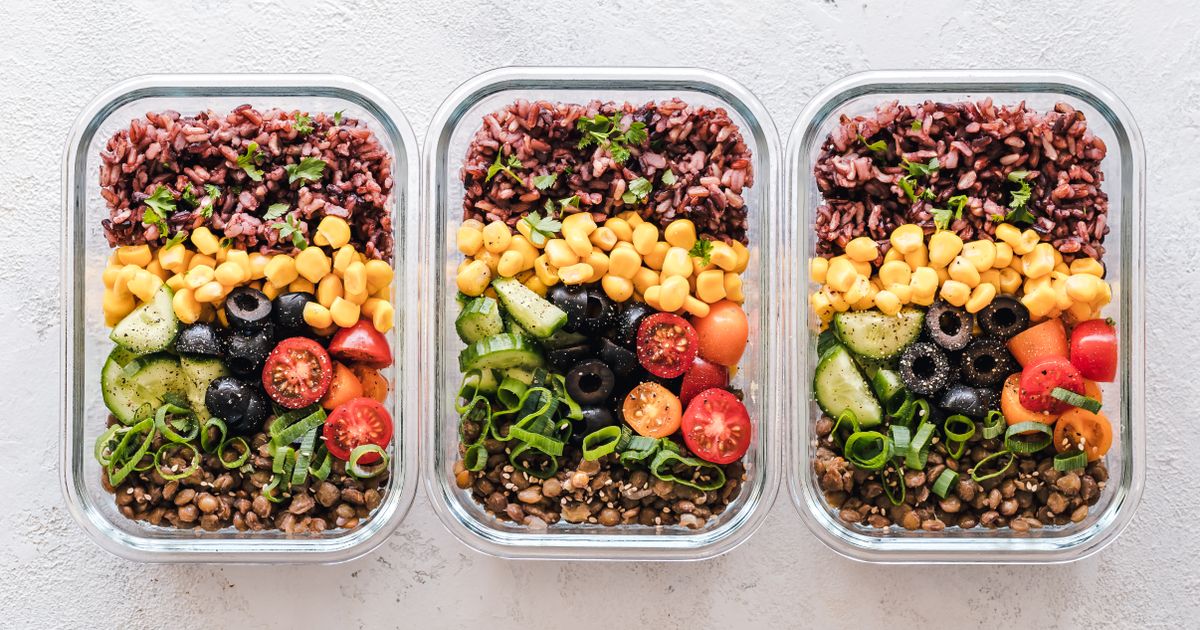
A meal nutrition calculator only tells you the truth if your portions are consistent. Portions are where most home batch cooking quietly goes wrong. Nearly half of Americans now describe themselves as 'food-preppy', but eyeballing a container instead of weighing it turns an accurate recipe calculation into a rough guess by the time it hits your plate. This piece follows one realistic weekly meal-prep scenario from batch cooking to portioned containers, and pulls out the lessons that apply whether you're prepping for yourself or selling meals to customers.
- Per-portion nutrition is only as accurate as your portioning method: weighing beats eyeballing every time.
- 48% of Americans now identify as 'food-preppy', and 86% say they regularly repeat the same meals.
- Plan a week's meals against a calorie or macro target before you cook, not after.
- Small meal-prep businesses printing nutrition info for customers step into FDA labeling territory that home cooks don't have to worry about.
- The same batch-division maths scales from one recipe to a full week once you understand the method.
The scenario: a week of batch-cooked lunches
Picture a home cook (we'll call the setup typical rather than attach it to any real person) who batch-cooks lunches every Sunday for the working week: five portions each of a grain bowl, a chicken tray-bake, and a bean chilli, rotated across two weeks. The goal is simple: roughly 500 calories and at least 30 g of protein per lunch, without recalculating everything from scratch every Sunday. That's a meal prep nutrition calculator problem in miniature, and it's the same problem a small meal-prep delivery operator faces at ten times the scale.
Step 1: Calculate each recipe's totals first
Before you can plan portions, you need the batch totals for each recipe: total calories, protein, carbs and fat for the whole tray, pot or dish, not per serving yet. This is exactly the ingredient-by-ingredient maths our recipe macro calculator guide walks through: convert ingredients to grams, look up each one in a food database, scale, and sum across the batch. Do this once per recipe and you've got a reusable number to build the week's plan around.
Step 2: Divide into portions by weight, not by eye
This is the step that decides whether your final numbers are trustworthy. The classic mistake is dividing a tray-bake into '5 roughly equal portions' by eye, then applying the per-serving nutrition figure to all five as if they were identical. In practice, the first container often gets noticeably more than the last, especially with anything that isn't uniform: stew, chilli, a tray-bake with uneven pieces.
The fix is unglamorous but reliable: weigh the total finished batch, divide by the number of portions you want, and weigh each container to that target as you fill it. If a chilli batch weighs 2,000 g finished and you want five portions, each container should hit 400 g, not 'about a fifth of the pot'. The kitchen scale is doing more nutritional accuracy work here than any calculator downstream of it.
Step 3: Plan the week against a target, not after the fact
With three recipes' per-portion figures in hand, planning the week becomes an arrangement problem rather than a guessing game. If lunches are targeting roughly 500 kcal and 30 g protein, you can see immediately which recipe needs an extra 50 g of chicken added to the batch, or which one is already comfortably over target and could lose the extra glug of oil. Planning against the target before you cook, rather than calculating what you happened to make afterwards, is what turns a nutrition calculator from a record-keeping tool into an actual planning tool.
| Recipe | Batch yield | Calories/portion | Protein/portion |
|---|---|---|---|
| Grain bowl | 5 portions | 480 kcal | 22 g |
| Chicken tray-bake | 5 portions | 510 kcal | 38 g |
| Bean chilli | 5 portions | 460 kcal | 24 g |
Worked example: three batch-cooked lunches, per portion (illustrative figures for this example only)
Seen this way, the chicken tray-bake is the strongest fit for a 30 g protein target and the grain bowl is the weakest: worth a scoop of extra beans or a handful of seeds before it goes in the container, not after you've already eaten it for a week and wondered why the numbers felt off.
Do you need a food scale for accurate meal prep nutrition?
For genuinely accurate per-portion numbers, yes, at least for the portioning step, even if you're relaxed about weighing every individual ingredient going into the pot. The batch-level calculation can tolerate some rounding in the ingredients; the portion-division step can't, because any inconsistency there gets multiplied across every container you fill. A basic digital kitchen scale is the highest-leverage purchase for anyone serious about meal-prep nutrition accuracy.
Why meal prep is having a moment
The scenario above isn't a niche habit. HelloFresh's State of Home Cooking 2025-2026 report, based on Wakefield Research surveying 5,000 people, found 48% of Americans now identify as 'food-preppy'. Cooking shortcuts are widespread too: 81% use them in some form, and among people who use meal kits or ready-to-eat shortcuts, 39% do so weekly, rising to half of Millennials. Just as notably, 86% of people describe themselves as 'meal repeaters', regularly cooking the same handful of meals, which is exactly the pattern that makes calculating a recipe's nutrition once and reusing it so useful, rather than starting from scratch every week.
That same research found 93% of people plan to cook as much or more at home over the next year, suggesting batch cooking isn't a passing trend. Industry estimates suggest the broader meal-kit and prepared-meal market has grown substantially in recent years too, though exact figures vary by source and should be read as rough industry sizing rather than precise counts (see Grand View Research's market analysis).
“There are two words I will use to describe the current state of consumer behavior today: uncertainty and resilience.”
That uncertainty shows up in how people eat, not just what they buy. Batch cooking and repeatable meals are partly a response to wanting predictability, both in budget and in what's actually going into the food, at a time when other parts of the food landscape feel less settled.
What a small meal-prep business needs to get right
Everything above works fine for personal use, where the only person relying on the numbers is you. The moment you start selling portioned meals to customers, the stakes change. If you're printing calorie or macro figures on a label for someone else to rely on, you've stepped into food-labeling territory, and the FDA has specific rules about what's required and when small businesses are exempt from a full Nutrition Facts panel.
That's a big enough topic to deserve its own treatment rather than a paragraph here. If you're at that stage, see our dedicated posts on FDA nutrition labeling requirements and cottage food nutrition labeling for the specifics. The short version: portioning consistency matters even more once a customer is paying for a specific nutrition claim, because an inconsistent portion isn't just a personal tracking error any more. It's a label that might not match what's actually in the box.
Common mistakes in meal-prep nutrition planning
- Eyeballing portions instead of weighing the finished batch and dividing evenly.
- Calculating nutrition from raw ingredient weights but portioning the cooked, finished dish.
- Planning meals reactively (cooking first, then finding out what you made) instead of setting a target beforehand.
- Reusing an old recipe's nutrition figures after quietly changing an ingredient or quantity.
- Assuming a home-cook workflow is sufficient once you start selling meals to other people.
How many calories should each meal prep portion be?
There's no single right answer. It depends on your calorie target for the day, how many meals you're splitting that across, and your activity level. What matters more than hitting an exact number is consistency: if your Monday lunch and your Thursday lunch are meant to be the same portion, they should actually weigh the same, so your tracking reflects reality rather than a rough average.
Putting it together
The whole workflow is: calculate each recipe's batch nutrition once, weigh the finished dish and divide it into consistent portions, then plan the week's meals against a target using those per-portion figures. Do that once per recipe rotation and the weekly admin drops to almost nothing, since you're reusing numbers you already trust rather than recalculating from scratch every Sunday.
Mealary's free recipe nutrition calculator handles the batch-calculation step for each recipe, pulling ingredient data from USDA FoodData Central so you're not hand-totting numbers across a spreadsheet. If you're running this at a small-business scale and need labels customers can trust, Pro plans add print-ready exports and metered API access for generating labels at volume.
Weigh the whole finished batch, divide the total weight by the number of portions you want, then weigh each container to that target as you fill it. Dividing by eye is the single biggest source of error in home meal-prep nutrition tracking.
Yes, at least for portioning. You can be more relaxed about weighing individual ingredients going into the pot, but inconsistent portion sizes multiply across every container, so a scale at the dividing-up stage matters most.
Once you're selling portioned meals to customers rather than prepping for yourself, you move into FDA nutrition labeling territory, with specific rules on when a full Nutrition Facts panel is required and when small-business exemptions apply. See our dedicated guides on FDA labeling requirements and cottage food rules for the specifics.
It depends on your personal calorie target and how many meals you're splitting it across in a day. The more important factor for accurate tracking is consistency: portions meant to be equal should actually weigh the same.
Stop calculating nutrition by hand
Mealary turns any recipe into per-serving nutrition and a print-ready FDA Nutrition Facts label. It's computed from USDA FoodData Central, with the rounding and %DV done for you and every value cited to its source.